



When your air conditioner stops working, one of the biggest questions is whether you should repair or replace your AC. While a simple repair may be all you need, an older system with frequent breakdowns or expensive repairs may make replacement the better long-term choice.
In this guide, we’ll look at the key factors to consider when deciding Repair vs Replace AC, including your system’s age, repair costs, efficiency, reliability and overall condition.
- Repair vs Replace AC: How Do You Decide?
- When AC Repair Makes More Sense
- When It’s Time to Replace Your Air Conditioner
- How Old Is Your Air Conditioner?
- What Will the AC Repair Cost?
- How Efficient Is Your Current AC?
- Repair vs Replace AC: A Simple Cost Comparison
- What Happens If You Keep Repairing an Old AC?
- Should You Repair or Replace Your AC Before Summer?
- What Size and Efficiency Should Your Replacement AC Be?
- AC Repair vs Replacement: Questions to Ask Your HVAC Technician
Not sure which option is right for your home? Contact Service 1st Heating & Cooling for professional advice on whether to repair or replace your AC.
Key Takeaways
- A broken AC does not automatically need to be replaced. The right choice depends on the system’s age, condition, repair needs and performance.
- Repair can make sense for newer, reliable systems. A straightforward repair may be the most practical option when the AC is otherwise in good condition.
- Replacement may be worth considering for aging systems. Frequent breakdowns, major repairs, rising energy costs and declining comfort can all be warning signs.
- Look beyond today’s repair bill. Consider the potential cost of repeated repairs and how long the existing system is likely to remain reliable.
- Efficiency matters when comparing options. A newer system may offer improved efficiency, but actual performance depends on the equipment and your home.
- Get professional advice before deciding. Service 1st Heating & Cooling can assess your system and recommend the option that makes the most sense for your home and budget.
Repair vs Replace AC
1. Repair vs Replace AC: How Do You Decide?
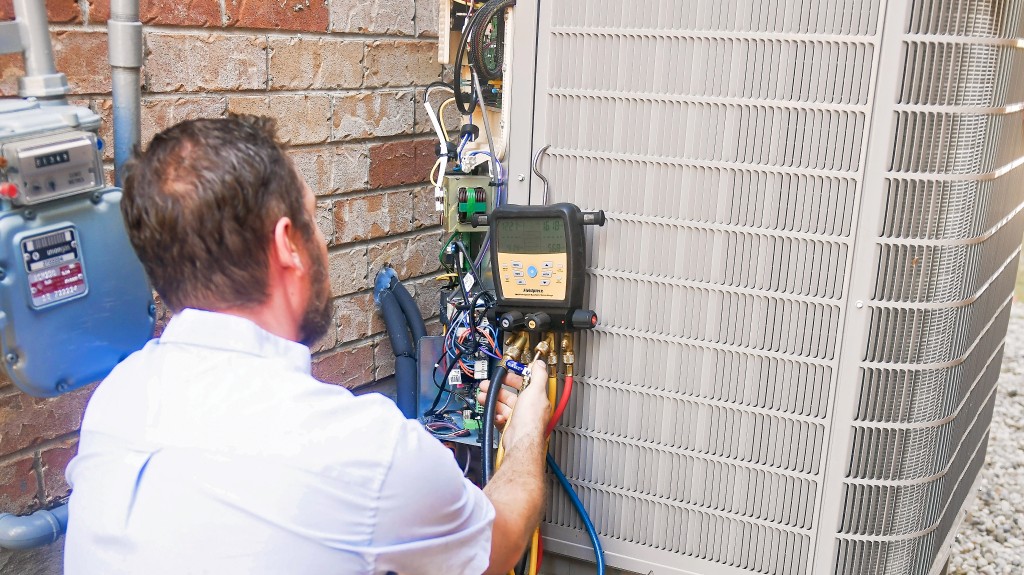
A broken air conditioner does not automatically mean it needs to be replaced. In many cases, a repair can restore your system and keep it running reliably for years. However, replacement may make more sense when an aging system has ongoing problems or is becoming increasingly expensive to operate.
The right decision depends on several factors:
- Age: An older AC may be closer to the end of its useful life.
- Problem: A minor component failure is very different from a major system problem.
- Repair cost: The price of the repair should be considered alongside the value and condition of the system.
- Repair history: Frequent breakdowns can indicate that the system is becoming less reliable.
- Energy efficiency: An older, inefficient AC may cost more to operate than a newer system.
- Remaining lifespan: Consider how much longer the existing equipment is reasonably expected to last.
- Overall condition: The condition of the major components can help determine whether another repair is worthwhile.
Get a Professional Diagnosis
Before deciding, have a qualified HVAC technician identify the problem and assess the condition of your system. A professional can explain whether repair is a practical solution or whether replacement deserves consideration.
The simple rule of thumb is: don’t base the Repair vs Replace AC decision on repair cost alone. This guide will walk through the key factors, including system age, repair costs, efficiency, reliability and long-term value.
2. When AC Repair Makes More Sense
If your air conditioner is giving you trouble, replacement may not always be necessary. When the system is relatively young, has been reliable and the problem is limited to a repairable component, fixing the existing AC can be a practical and cost-effective option.
Your AC Is Relatively Young
If your air conditioner is still relatively new and has many years of expected service life remaining, repairing a component can be a sensible way to extend the life of the system.
Your System Has Been Reliable
If your AC has provided dependable cooling with few previous problems, a single breakdown does not necessarily indicate that the entire system needs to be replaced.
The Problem Is Straightforward
Some AC problems involve a specific component that can be repaired or replaced without addressing the rest of the system. In these situations, repair may be the most practical solution.
The Repair Cost Is Reasonable
When the repair is relatively affordable compared with the cost of a new air conditioner, repairing the existing system may make more financial sense, particularly when the equipment is otherwise in good condition.
Your AC Still Performs Well
If your system continues to provide comfortable, consistent cooling and operates at an acceptable level of efficiency, repairing the current problem may allow you to continue using equipment that is still meeting your needs.
Common AC Repairs
Depending on the problem, an HVAC technician may be able to repair or replace an individual component rather than the entire air conditioner. Common examples include:
3. When It’s Time to Replace Your Air Conditioner
Sometimes an AC problem is a sign that the system is nearing the end of its useful life. If you are seeing several warning signs at once, replacing the system may make more sense than continuing to invest in repairs.
Your AC Is Getting Older
If your air conditioner is approaching the end of its expected service life, replacement may be worth considering rather than putting significant money into an aging system.
Major Components Are Failing
A failure involving a major component can make replacement more practical, particularly when the system is already showing other signs of age or wear.
Repairs Are Becoming Frequent
If you are calling for AC repairs repeatedly, the ongoing cost and inconvenience may indicate that the system is becoming less reliable.
Repair Costs Are Adding Up
When repair bills are becoming significant, it is worth comparing the cost of continued repairs with the investment required for a new air conditioner.
Your Home Is Not Staying Comfortable
Uneven cooling, rooms that remain warm or difficulty maintaining your thermostat setting can indicate that your existing system is no longer meeting your home's cooling needs.
Your Energy Bills Are Increasing
If your cooling costs are rising without a corresponding change in how you use your AC, declining system efficiency may be one factor worth investigating.
Replacement Parts Are Harder to Find
Older equipment can become more difficult or expensive to repair when replacement parts are limited, discontinued or no longer readily available.
Your System Uses Older Refrigerant Technology
Older refrigerant technology can affect repair considerations, particularly when the refrigerant or compatible components are becoming less readily available.
You Are Planning Other HVAC Upgrades
If you are already considering improvements to your home's heating or cooling system, it may be worthwhile to evaluate whether replacing an aging AC should be part of the same plan.
An expensive repair on its own does not automatically mean replacement is the right choice. However, when several of these warning signs appear together, it is worth having a professional evaluate whether continued repairs or a new system makes more sense.
4. How Old Is Your Air Conditioner?

The age of your air conditioner is one of the easiest factors to check when deciding whether to repair or replace it. As equipment gets older, the likelihood of wear, declining efficiency and additional component failures can increase. However, age alone should never determine the answer.
Why Does AC Age Matter?
A relatively young system that has been reliable may be worth repairing when a specific component fails. With an older system, replacement becomes increasingly worth evaluating, especially if other problems are also developing.
When considering Repair vs Replace AC, look at the system’s age alongside its:
- Overall condition: A well-maintained older system may still have useful life remaining.
- Repair history: Frequent or increasingly expensive repairs can change the value of keeping the system.
- Performance: Consider whether the AC is still providing reliable and consistent cooling.
How to Find Your AC’s Age
If you are unsure how old your system is, check:
- Installation date: Look through your home improvement records or previous HVAC invoices.
- Model and serial number: The information on the equipment can help an HVAC professional identify its age.
- Previous service records: These can show how often the system has required repairs and what work has already been completed.
There is no single age at which every AC should be replaced. The best decision comes from looking at the system as a whole.
5. What Will the AC Repair Cost?

The price of an AC repair is an important part of the decision, but the initial invoice does not tell the whole story. A relatively inexpensive repair may be worthwhile, while a larger repair on an aging system could be a reason to compare the cost of replacement.
Look Beyond the Repair Estimate
When reviewing a repair recommendation, consider:
- The size of the repair: A simple component replacement is very different from a major repair involving a critical system component.
- Parts and labour: The total estimate should account for both the replacement parts and the technician’s labour.
- Long-term reliability: Consider whether the repair is likely to provide a lasting solution or whether additional problems could develop soon.
- Condition of other components: If other parts are showing significant wear, another repair may be more likely in the future.
- Future repair costs: Add up what repeated repairs could cost over the next few years rather than looking only at today’s bill.
Compare Your Options
If a repair is becoming expensive, ask how the estimate compares with the cost of installing a new AC. A replacement may offer a better long-term value in some situations, while repairing the existing system may still make sense in others.
Your HVAC technician should clearly explain what failed, why it failed and what the proposed repair will accomplish so you can make an informed decision.
6. How Efficient Is Your Current AC?
Energy efficiency is another factor to consider when deciding whether to repair or replace your air conditioner. Older systems may be considerably less efficient than current models, so continuing to operate an aging unit could mean using more energy to achieve the same level of cooling.
Check Your AC’s Efficiency
Start by finding your air conditioner’s efficiency rating and comparing it with the efficiency of current replacement options. If your existing system is significantly less efficient, upgrading may have the potential to reduce your home’s cooling energy consumption.
However, the efficiency rating is only part of the picture. Your AC’s actual performance can also be affected by:
- Installation quality: Poor installation can prevent an otherwise efficient system from operating as intended.
- System sizing: An air conditioner that is too large or too small for your home may not operate efficiently.
- Ductwork: Leaks or inadequate ductwork can reduce the amount of cooled air reaching your living spaces.
- Home insulation: Poor insulation can make it harder to maintain comfortable indoor temperatures.
- Thermostat settings: Your cooling habits and thermostat settings can affect energy use.
- Maintenance: Regular maintenance helps keep the system operating properly.
A newer, more efficient AC can offer energy-saving potential, but the actual savings will depend on your existing system, the replacement equipment and your home’s specific conditions.
7. Repair vs Replace AC: A Simple Cost Comparison
The upfront cost is only one part of the decision. A repair may be the better choice for a newer, reliable system, while replacement can offer better long-term value when an older AC requires a major repair or is becoming increasingly expensive to maintain.
Keep Your Existing AC
Install a New AC
Which Option Makes More Sense?
- A low-cost repair on a newer AC can make sense when the rest of the system is in good condition.
- A major repair on an aging AC deserves a comparison with the cost of installing a replacement.
- The cheapest option today is not necessarily the least expensive option over the next several years.
- When appropriate, ask your HVAC technician to provide both repair and replacement options so you can compare them.
8. Should You Repair or Replace Your AC Before Summer?

The best time to think about your air conditioner is before you need it every day. Waiting until the first major heat wave to discover that your AC is struggling can leave you dealing with an uncomfortable home and limited time to consider your options.
Watch for Warning Signs
If your system has shown any of these symptoms, consider having it inspected before peak cooling season:
- Weak airflow: Air coming from the vents feels weaker than usual.
- Poor cooling: Your home takes longer to reach the desired temperature or certain rooms stay warm.
- Strange noises: Unusual buzzing, grinding, rattling or other sounds can indicate a problem.
- Short cycling: The system repeatedly starts and stops without completing a normal cooling cycle.
- Frequent breakdowns: Recurring service calls may be a sign that your AC needs closer evaluation.
- Water leaks: Moisture around the indoor unit or other unexpected leaks should be investigated.
- Rising energy bills: Increasing cooling costs may indicate that your system is no longer operating as efficiently as it once did.
A pre-season inspection gives you more time to understand the condition of your AC and compare repair and replacement options. If replacement is the better choice, planning ahead can also help you avoid making a rushed decision during an emergency.
9. What Size and Efficiency Should Your Replacement AC Be?
If replacing your air conditioner is the better choice, selecting the right system is just as important as choosing the right brand or efficiency rating. A properly sized AC can provide more consistent comfort and operate more effectively.
Start With Proper Sizing
Bigger is not automatically better. An oversized air conditioner can cycle on and off too frequently, while an undersized system may struggle to keep your home comfortable. A professional load calculation considers the home’s cooling requirements rather than relying only on its square footage.
Factors that can affect the appropriate system size include:
- Home size and layout can influence the amount of cooling required.
- Insulation and windows affect how much heat enters and leaves the home.
- Ductwork can affect how effectively conditioned air reaches each room.
- Your existing furnace or air handler may need to be compatible with the new AC.
- Your comfort requirements can help determine the appropriate equipment and configuration.
Consider Efficiency and Compatibility
Efficiency ratings provide a way to compare how effectively different air conditioners use energy. A higher-efficiency system may offer lower operating costs, but the best choice depends on your home and how you use your AC.
Your HVAC professional can also confirm that the new equipment is compatible with your existing system and explain any currently available rebates or incentives that may apply.
10. AC Repair vs Replacement: Questions to Ask Your HVAC Technician
Choosing between repairing and replacing your AC is an important decision, and you should have clear information before moving forward. Ask your HVAC technician these questions to understand what is wrong with your system, what your options are and which solution makes the most sense for your home and budget.
At Service 1st Heating & Cooling, you can count on straightforward advice. They will never recommend replacing your AC simply to make a larger sale when a repair is the better choice for you.
What exactly failed?
Ask your technician to explain which component failed and what caused the problem. Understanding the issue will help you make a more informed decision.
Can the problem be repaired?
Find out whether the failed component can be repaired or replaced and whether doing so is expected to restore reliable operation.
How much will the repair cost?
Ask for a clear estimate that explains the expected parts and labour involved in completing the repair.
Is this likely to be a one-time repair?
Ask whether the technician sees any other issues that could lead to additional repairs in the near future.
Are other components showing signs of failure?
A professional inspection can identify other worn or deteriorating components that may affect the reliability of the system going forward.
How old is my system?
Knowing the approximate age of your AC helps put the repair decision into context, particularly when considering the system's remaining useful life.
How efficient is my current AC?
Ask your technician to explain your system's current efficiency and whether newer equipment could provide an opportunity for improved energy performance.
How much would replacement cost?
Even if you are leaning toward repair, getting a replacement estimate can help you compare the short-term repair cost with the longer-term investment.
What efficiency options are available?
If replacement is being considered, ask about the available efficiency levels and which options are appropriate for your home.
Is my current system properly sized?
Ask whether your existing AC is correctly sized for your home and whether a replacement would require a different capacity.
What warranty comes with the replacement?
If replacement is recommended, ask what equipment and parts are covered by the manufacturer's warranty and whether there are any additional coverage options.
Are there rebates or financing options available?
Ask whether there are any current rebates, incentives or financing options that could apply to a qualifying replacement system.
Advice You Can Trust
Service 1st Heating & Cooling believes the right solution is the one that makes sense for you. If your existing AC can be repaired reliably and doing so is the better choice, they will not push you toward a replacement simply because it represents a larger sale.
Get Expert Advice on Whether to Repair or Replace Your AC

You don’t have to decide between repairing and replacing your air conditioner on your own. A professional assessment can help you understand what is wrong with your system and whether repairing it or investing in a replacement makes the most sense.
Honest Advice Based on Your Home and System
Service 1st Heating & Cooling will assess your existing AC and explain your options based on factors such as:
- System age and condition
- The repairs required
- Current efficiency and performance
- Your home’s comfort needs
- The long-term value of each option
The goal is to find the solution that makes sense for you, not simply recommend a replacement. If your AC can be repaired reliably and repair is the better choice, Service 1st will tell you.
Get the Advice You Need
If your AC is struggling, making unusual noises, breaking down frequently or simply isn’t keeping your home comfortable, schedule a professional assessment before the problem becomes an emergency.
Not sure whether to repair or replace your AC? Contact Service 1st Heating & Cooling for professional advice. You can schedule AC service or contact Service 1st to discuss your options.
What Our Customers Are Saying...
“Silas came out to tune up our AC unit and address a few concerns we had. He was on time, thorough, and explained everything clearly as he worked. He diagnosed the issue quickly, took care of the tune-up, and made sure we felt confident everything was running properly before he left. Professional service and great communication. Highly recommend Service 1st for your heating and cooling needs!!!”
“As a first time homeowner who was unsure who to call when two technicians from a different company couldn’t actually solve a dripping noise coming from an older furnace unit when the AC was running, I can’t thank Silas and the team at Service 1st enough. When we explained the runaround we had been getting, Silas came out himself and ran actual diagnostics to explain the real source of the issue. We ended up buying a new unit (our furnace/AC was over 21 years old and based on all of the indications it was no longer trustworthy/efficient) and the guys did a great job with the install – didn’t try to go over the estimate, didn’t charge us for the initial diagnostic, arrived on time and got things done. Will be going back for the annual maintenance as well – just an all-around great small company to work with that isn’t just out for the money and cares about its customers. (Not to mention – also really nice people to call in the office and talk to on-site).”