




Gas Furnace vs Electric Furnace: How Do They Compare?

Choosing between a gas furnace and an electric furnace can make a difference in your home’s comfort, upfront installation costs, and monthly heating bills. With Ontario’s cold winters, it’s important to understand how each system performs and what it could cost to keep your home warm.

In this guide, we’ll compare gas furnace vs electric furnace options, including their efficiency, operating costs, advantages, and disadvantages, to help you decide which heating system is right for your home.

  1. Quick Answer: Gas Furnace vs. Electric Furnace
  2. Gas vs. Electric Furnace: Key Differences
  3. Gas Furnace vs. Electric Furnace Cost in Ontario
  4. Gas Furnace Advantages and Disadvantages
  5. Electric Furnace Advantages and Disadvantages
  6. Can I Replace My Gas Furnace With an Electric Furnace?
  7. Should a 25-Year-Old Furnace Be Replaced?
  8. Gas Furnace vs. Electric Furnace in Ontario: Which Is Best for Your Home
  9. Frequently Asked Questions About Gas vs. Electric Furnaces

The team at Service 1st Heating & Cooling can help you compare your options, understand installation costs, and find a heating solution that makes sense for your home. Contact us today to book a free, in-home consultation.

Key Takeaways

  • Gas furnaces may cost less to operate in many Ontario homes, depending on natural-gas rates, equipment efficiency, and heating demand.
  • Electric furnaces generally cost less to install and can be a practical choice for homes without natural-gas service.
  • Installation costs are only part of the picture. Compare upfront expenses with estimated energy bills and maintenance costs over the system's expected lifespan.
  • Consider your home's requirements. Insulation, ductwork, electrical capacity, and winter heating demand all affect which system is suitable.
  • Explore heat pumps, too. A suitable heat pump can provide efficient heating and cooling, while a hybrid system can combine a heat pump with a gas furnace.
  • Get professional advice. A qualified HVAC professional can assess your home and help you compare appropriate heating options before you invest.

1. Quick Answer: Gas Furnace vs. Electric Furnace

Is it cheaper to run a gas furnace or electric furnace? In Ontario, a gas furnace will often cost less to operate, while an electric furnace typically costs less to install and doesn't require a natural-gas connection.

Choose a gas furnace if: Your home has natural gas and you want powerful heating for Ontario's cold winters.

Choose an electric furnace if: You want a lower upfront installation cost or your home doesn't have natural-gas service.

Consider your long-term costs. Energy rates, home size, insulation, and heating habits all affect your bills. A heat pump may also be worth considering for efficient home heating and cooling.

2. Gas vs. Electric Furnace: Key Differences

Gas and electric furnaces both distribute warm air through your home’s ductwork, but they use different energy sources and have different installation requirements, operating costs, and maintenance needs. Understanding these differences can help you choose a heating system that suits your home and budget.

Gas Furnace vs. Electric Furnace: Comparison Table

Feature Gas Furnace Electric Furnace
Installation Cost Generally higher. Generally lower.
Operating Cost Often lower, depending on natural-gas rates and system efficiency. Can be higher during Ontario winters, depending on electricity rates and energy consumption.
Energy Efficiency High-efficiency models convert most of their fuel energy into useful heat. Converts nearly all electricity consumed at the heating elements into heat.
Heating Performance Produces strong heat and can warm a home quickly. Provides consistent heat, depending on the system and home.
Fuel Source Natural gas. Electricity.
Installation Requirements Requires natural-gas service, appropriate venting, and combustion air provisions. Requires suitable electrical capacity and wiring.
Maintenance Requires regular professional maintenance, including combustion-system checks. Generally has simpler maintenance requirements.
Typical Lifespan Often around 15–20 years. Can last around 20–30 years, depending on the equipment and maintenance.
Environmental Impact Produces carbon dioxide and other combustion by-products onsite. Produces no onsite combustion emissions. Overall emissions depend partly on how electricity is generated.

Note: Costs, performance, efficiency, and lifespan vary depending on the equipment, installation quality, usage, maintenance, and local energy rates.

How Does a Gas Furnace Work?

A gas furnace burns natural gas to heat a metal heat exchanger. A blower then pushes air across the exchanger and distributes warm air throughout your home. An exhaust vent safely removes combustion by-products, while safety controls monitor operation. A high-efficiency gas furnace captures more usable heat from its fuel, helping reduce wasted energy.

How a Gas Furnace Works

COLD RETURN AIR WARM AIR TO HOME EXHAUST VENT NATURAL GAS INLET 1. GAS BURNERS

How Does an Electric Furnace Work?

An electric furnace uses heating elements to generate heat when electricity passes through them. A blower distributes the heated air through your home’s ductwork. Because there is no onsite combustion, an electric furnace does not require a combustion exhaust vent. However, its electricity consumption can contribute to higher winter utility bills.

How an Electric Furnace Works

COLD RETURN AIR WARM AIR TO HOME ELECTRICAL POWER SUPPLY 1. ELECTRIC HEATING ELEMENTS 2. BLOWER FAN 3. CONTROL SEQUENCER

Gas Furnace vs. Electric Furnace Efficiency: What’s the Difference?

Gas furnace efficiency is measured using annual fuel utilization efficiency (AFUE), which indicates how much fuel energy becomes useful heat. Electric furnaces convert nearly all the electricity they consume into heat at the point of use, but this doesn’t necessarily make them cheaper to operate. Electricity and natural-gas rates determine how much you pay for that heat.

For more information, consult Natural Resources Canada’s EnerGuide information for furnaces.

3. Gas Furnace vs. Electric Furnace Cost in Ontario

When comparing gas furnace vs. electric furnace cost in Ontario, consider both the initial installation price and the ongoing cost of heating your home. An electric furnace typically costs less to install, while a gas furnace may offer lower operating costs depending on energy rates and system efficiency.

Gas Furnace Cost in Ontario vs. Electric Furnace Cost in Ontario

Installation costs depend on the furnace’s heating capacity, equipment efficiency, existing infrastructure, and the complexity of the job. Use the comparison table below as a starting point, rather than a guaranteed quote. Actual prices should be confirmed with a local HVAC contractor.

Gas Furnace vs. Electric Furnace Cost Comparison Table

Installation costs depend on the furnace’s heating capacity, equipment efficiency, existing infrastructure, and the complexity of the job. Use the comparison table below as a starting point, rather than a guaranteed quote. Actual prices should be confirmed with a local HVAC contractor.

Compare typical installation expenses and potential additional costs when budgeting for a gas or electric furnace in Ontario.

Cost Factor Gas Furnace Electric Furnace
Equipment and Installation Obtain a current quote Pricing depends on furnace capacity, efficiency, installation complexity, and local labour costs. Obtain a current quote Pricing depends on heating capacity, electrical requirements, and installation complexity.
Potential Additional Costs A new gas connection, venting modifications, condensate drainage, or ductwork changes may increase the total. Electrical panel upgrades, new wiring, or ductwork modifications may increase the total.
What Affects the Price? Furnace efficiency, heating capacity, venting requirements, and the condition of the existing system affect the final quote. Heating capacity, electrical service capacity, equipment specifications, and the condition of the existing system affect the final quote.

Important: These are budgeting considerations, not fixed prices. Ask Service 1st Heating & Cooling for a current estimate based on your home's heating requirements and existing infrastructure.

Is It Cheaper to Run a Gas Furnace or Electric Furnace?

In many Ontario homes, a gas furnace costs less to operate than an electric resistance furnace. However, the difference depends on your home’s heating requirements, equipment efficiency, and utility rates.

Your total energy bill includes more than the price of the energy itself. Electricity delivery charges and other billing components, along with natural-gas delivery charges and applicable fees, affect your overall costs.

For current rates, consult the Ontario Energy Board’s natural gas rates and electricity rates.

What Affects Your Monthly Heating Bills?

Your gas furnace vs. electric furnace operating cost depends on several factors:

  • Home size and insulation: Larger homes, poor insulation, and air leaks increase heating demand.
  • Equipment efficiency and sizing: A properly sized, well-maintained furnace can help manage energy consumption.
  • Thermostat settings: Higher temperatures and longer heating periods generally increase energy use.
  • Utility rates: Changes in electricity and natural-gas prices affect monthly expenses.
  • Winter weather: Colder temperatures and longer heating seasons increase heating demand.
  • Ductwork condition: Leaks and poor air distribution can waste energy.

What Is the Cheapest Way to Heat a Home in Ontario?

There is no single cheapest heating system for every home. Gas furnaces may offer lower operating costs where natural gas is available, while electric furnaces can be a practical option where installation costs and access to gas are concerns.

Heat pumps are another option worth considering. Under suitable conditions, they can deliver more heat energy than the electricity they consume, potentially reducing heating costs compared with electric resistance heating.

Explore Service 1st’s heating products and cooling products to compare available options for your home.

4. Gas Furnace Advantages and Disadvantages

Service 1st gas furnace

A gas furnace is a popular heating choice for Ontario homeowners, particularly those looking for reliable heating during cold winters. However, installation requirements, maintenance needs, and fuel costs are important considerations.

Advantages of a Gas Furnace

The main gas furnace advantages and disadvantages depend on your home’s heating needs, available utilities, and budget.

  • Reliable cold-weather heating: Gas furnaces provide substantial heating output, making them well suited to Ontario’s cold winters.
  • Potentially lower operating costs: Natural gas may cost less than electricity for delivering the same amount of heat, depending on utility rates and furnace efficiency.
  • Quick heating response: A properly sized gas furnace can deliver warm air quickly when your home needs additional heat.
  • Flexible equipment options: Homeowners can choose from different furnace capacities and efficiency ratings, including high-efficiency gas furnace models.
  • Practical replacement option: If your home already has natural-gas service and compatible ductwork, replacing an existing gas furnace may be straightforward.

What Are the Downsides of a Gas Furnace?

Despite their advantages, gas furnaces have some limitations to consider:

  • Higher upfront costs: Equipment and installation can cost more than electric furnace alternatives.
  • Natural-gas requirements: Homes without gas service may face additional connection or conversion expenses.
  • Venting requirements: Gas furnaces need appropriate venting to remove combustion by-products safely.
  • Regular maintenance: Burners, heat exchangers, exhaust systems, and safety controls require professional inspection and maintenance.
  • Environmental impact: Burning natural gas produces carbon dioxide and other combustion by-products.
  • Changing energy prices: Fluctuations in natural-gas rates can affect long-term heating expenses.

When Does a Gas Furnace Make the Most Sense?

A gas furnace is worth considering if your home already has natural-gas service, you want dependable heating during Ontario winters, and projected operating costs fit your budget.

5. Electric Furnace Advantages and Disadvantages

A/C Cooling Cambridge

An electric furnace can be a practical heating option for Ontario homeowners, especially when natural gas is unavailable or keeping installation costs down is a priority. However, electricity consumption and long-term operating costs are important factors to consider.

Advantages of an Electric Furnace

Electric furnaces offer several benefits for homeowners:

  • Lower upfront installation costs: Electric furnaces generally cost less to purchase and install than gas furnaces.
  • No natural-gas connection required: They are suitable for homes without access to natural-gas service.
  • No onsite combustion: Electric furnaces do not burn fuel inside your home, so they do not produce combustion exhaust.
  • Simpler heating equipment: They do not require gas burners or combustion venting, which can simplify installation.
  • Potentially lower maintenance requirements: With fewer combustion-related components to inspect and service, routine maintenance may be less involved.

What Are the Downsides of an Electric Furnace?

Despite these benefits, electric furnaces have limitations that may affect your budget and heating needs.

  • Potentially higher winter operating costs: Electricity can cost more than natural gas for delivering the same amount of heat, depending on utility rates and equipment efficiency.
  • High electricity consumption: Electric resistance heating can use substantial electricity during Ontario’s extended cold spells.
  • Electrical capacity requirements: Your home’s electrical panel and wiring must safely support the furnace, and upgrades may be necessary.
  • Higher costs in inefficient homes: Poor insulation, air leaks, and high heating demand can increase electricity consumption.
  • Potentially higher long-term expenses: Lower installation costs may be offset by higher operating costs over the life of the equipment.

When Does an Electric Furnace Make the Most Sense?

An electric furnace may be a good choice if your home lacks natural-gas service, your heating needs are relatively modest, or upfront installation costs are a priority. Compare estimated annual operating costs before deciding, and consider whether a heat pump could provide a more energy-efficient alternative.

6. Can I Replace My Gas Furnace With an Electric Furnace?

hvac system

Yes, you can replace a gas furnace with an electric furnace in many homes. However, the feasibility and total cost depend on your existing heating system, electrical infrastructure, and the modifications required for installation.

Before making the switch, consider the following factors:

  • Electrical panel and wiring: An electric furnace may require substantial electrical capacity. Your electrician or HVAC contractor can determine whether your existing panel and wiring can support the new equipment or need upgrades.
  • Existing ductwork: If your home already has forced-air heating, the ductwork may be suitable for an electric furnace. However, its condition, size, and airflow should be assessed.
  • Removal and disconnection costs: Removing the existing gas furnace and safely disconnecting the gas supply may add to the project cost.
  • Electrical upgrades: If your home needs a larger electrical panel, new wiring, or other modifications, installation expenses can increase.
  • Monthly heating costs: Switching from natural gas to electric resistance heating could increase your winter energy bills, depending on utility rates, your home’s heating needs, and equipment efficiency.

Is Switching to Electric Heating Worth It?

Before choosing a replacement, compare the total installation cost with projected operating expenses over the system’s expected lifespan. A lower upfront price does not necessarily mean lower overall costs.

A heat pump is another option if you want to move away from natural gas. Heat pumps transfer heat rather than generating it entirely through electric resistance, which can make them more energy-efficient in suitable conditions.

Explore Service 1st’s furnace services and available heating products to learn more about your options.

The best next step is to have a qualified HVAC professional assess your home’s electrical capacity, ductwork, and heating requirements. This will help you compare suitable systems and understand the full cost before committing to a replacement.

7. Should a 25-Year-Old Furnace Be Replaced?

Bryant lifestyle

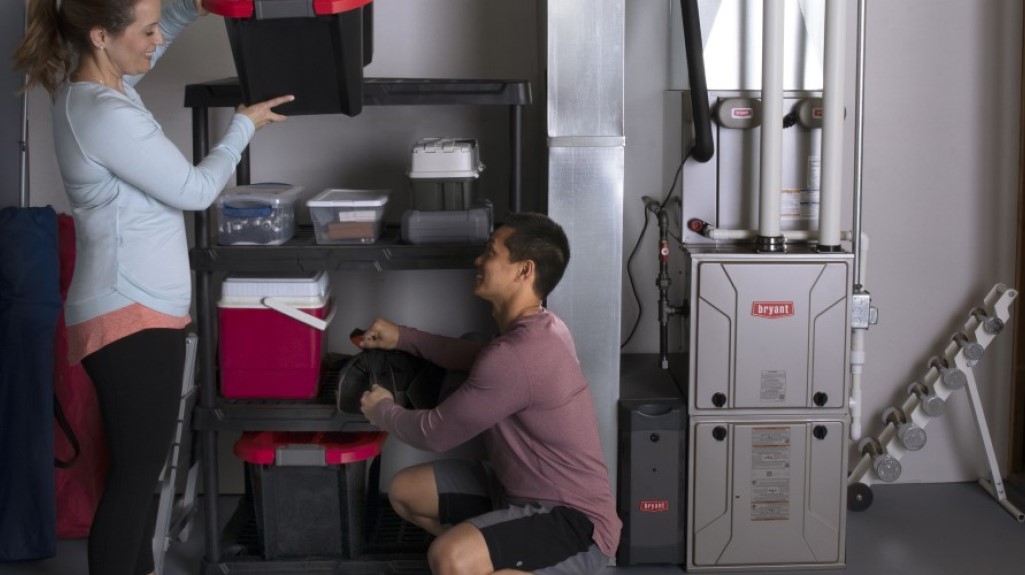
Yes, a 25-year-old furnace should be assessed for replacement. Many gas furnaces have a typical service life of around 15 to 20 years, so a furnace that is 25 years old is already beyond that range. Although some older units continue to operate, they may be less efficient and more prone to breakdowns than modern equipment.

Signs It May Be Time to Replace Your Furnace

Age is an important consideration, but the furnace’s condition and performance also matter. Replacement may be worth considering if you notice any of the following issues:

  • Frequent or expensive repairs: If your furnace needs repeated service calls or major repairs, replacing it may be more economical than continuing to fix it.
  • Rising heating bills: Increasing energy costs without a clear explanation could indicate that your furnace is losing efficiency.
  • Uneven heating: Rooms that remain too cold or difficulty maintaining your thermostat setting may point to equipment or airflow problems.
  • Unusual noises or repeated shutdowns: Persistent rattling, banging, or unexpected shutdowns warrant professional inspection.
  • Parts availability concerns: Finding replacement parts for an older model may become more difficult, potentially affecting repair costs and reliability.

Should You Replace a Furnace Based on Age Alone?

A professional assessment can help determine whether your furnace can continue operating reliably or whether replacement offers better long-term value. Compare the likely cost of repairs with the benefits of improved efficiency, dependable performance, and reduced energy consumption.

Safety should always come first. If you suspect a combustion problem or carbon monoxide leak, leave the home if you suspect carbon monoxide exposure and call emergency services from outside. Do not continue operating the furnace until it has been assessed by a qualified professional.

Regular servicing can help identify problems before they become serious. Explore Service 1st’s maintenance plans and furnace services to learn more about maintaining or replacing your heating system.

8. Gas Furnace vs. Electric Furnace in Ontario: Which Is Best for Your Home?

Choosing between a gas furnace, an electric furnace, and a heat pump depends on your home’s heating needs, available utilities, installation budget, and long-term energy costs. Ontario’s cold winters make it especially important to choose a system that can keep your home comfortable when temperatures drop. Use the comparison below to explore your options and identify which heating solution may be the best fit for your home.

The right choice depends on your home's existing utilities, installation budget, heating demand, and expected energy costs. Use these practical guidelines to compare your options.

Choose a Gas Furnace If...

A gas furnace may suit your home if natural gas is available and you want a familiar forced-air heating system.

  • Your home already has natural-gas service, making it easier to replace an existing gas furnace without changing fuel sources.
  • You prioritize dependable, high-output heating during cold Ontario winters.
  • Your household's heating demand and local energy rates make natural gas an attractive operating-cost option.
  • You want to keep your existing heating setup, provided the equipment and ductwork remain suitable.


Choose an Electric Furnace If...

An electric furnace may be worth considering when gas is unavailable or lower initial installation costs are a priority.

  • Your home does not have natural-gas service, and adding it would be expensive or impractical.
  • You want to minimize initial equipment and installation costs.
  • Your electrical panel and wiring can support the furnace without excessive upgrade costs.
  • Your heating requirements and electricity rates make electric resistance heating a reasonable option for your budget.

Should You Consider a Heat Pump Instead?

If you're comparing heating systems, it is worth considering an alternative to a traditional furnace.

A heat pump transfers heat between the outdoors and your home rather than generating all its heat through electric resistance. It can provide both heating and air conditioning, potentially reducing energy use compared with conventional electric resistance heating.

Efficient Heating and Cooling

A suitable heat pump can provide year-round comfort from one system. Its efficiency and running costs depend on the model, outdoor temperatures, electricity rates, and your home.

Cold-Weather Performance

Some heat pumps are designed for cold climates. Depending on the equipment and home, supplemental or backup heating may still be needed during very cold weather.

What About a Hybrid Heating System?

A hybrid system combines a heat pump with a gas furnace. The system can use the heat pump in suitable conditions and switch to the furnace when needed, depending on its controls and configuration. This may be worth exploring if your home already uses natural gas.

Explore Service 1st's cooling products to learn more about air conditioning and heat pump options.

How to Choose the Best Furnace for Canadian Winters

Before choosing a heating system, consider these factors to help narrow down the options for your home.

1

Local Climate and Heating Demand Consider how much heating your home needs during Ontario's coldest months.

2

Natural-Gas Availability Check whether gas service is already available and what it would cost to connect your home if it is not.

3

Installation Budget Include equipment, labour, venting, electrical work, and any required modifications when comparing quotes.

4

Expected Operating Costs Compare projected energy use against current gas and electricity rates rather than looking at purchase price alone.

5

Insulation and Ductwork Address air leaks, insulation gaps, and ductwork issues that can increase heating demand or reduce comfort.

6

Efficiency and Maintenance Compare equipment efficiency ratings, maintenance needs, warranty coverage, and the availability of service.

7

Heat Pump or Hybrid Options Consider whether a heat pump or a heat pump and gas furnace combination suits your home and budget.

Which Heating System Is Best for Your Home?

There is no single answer for every Ontario homeowner. The best system is one that is properly sized for your home's heating needs, compatible with your existing infrastructure, and suited to your budget and expected energy costs. A qualified HVAC professional can assess your home and help you compare the available options before you make a decision.

9. Frequently Asked Questions About Gas vs. Electric Furnaces

Below, we answer common questions to help Ontario homeowners compare their heating options and make an informed decision.

10.1 Is It Cheaper to Run a Gas Furnace or Electric Furnace?

In many Ontario homes, a natural-gas furnace costs less to operate than an electric resistance furnace. However, the difference depends on natural-gas and electricity rates, furnace efficiency, and how much heat your home needs.

Insulation, air leaks, thermostat settings, and winter temperatures also affect your energy bills. Compare estimated annual heating costs alongside installation expenses rather than choosing based on equipment price alone.

10.2 Can I Replace My Gas Furnace With an Electric Furnace?

Yes, many homes can switch from a gas furnace to an electric furnace. However, the home's electrical panel and wiring must be able to support the equipment, and the existing ductwork should be assessed.

You may also need electrical upgrades and professional gas disconnection, which can increase the installation cost. Before deciding, compare these expenses with projected long-term heating costs, as electric resistance heating may cost more to operate.

10.3 What Are the Downsides of a Gas Furnace?

Gas furnaces can have higher upfront installation costs and require access to natural gas, suitable exhaust venting, and regular professional maintenance. Homes without existing gas service may face additional connection costs.

Because gas furnaces burn fuel, they produce combustion by-products that must be vented safely. Proper installation, routine servicing, and working carbon monoxide alarms are important for household safety.

10.4 Should a 25-Year-Old Furnace Be Replaced?

A 25-year-old furnace should be professionally assessed because it is older than the typical service life of many gas furnaces. Replacement may make sense if the unit needs frequent repairs, has become unreliable, or uses more energy than expected.

Age alone does not mean replacement is immediately necessary. Compare the cost of repairs, expected reliability, energy consumption, and the cost of a new system before making a decision. Any suspected combustion or carbon monoxide issue requires prompt attention.

Explore Service 1st's furnace services and heating options to learn more.

10.5 Which Is More Energy-Efficient: a Gas Furnace or an Electric Furnace?

Electric resistance furnaces convert nearly all the electricity they consume at the heating elements into heat inside the home. Gas furnace efficiency is commonly measured using AFUE, which indicates how much of the fuel's energy becomes useful heat.

However, equipment-level efficiency is not the same as operating cost. Electricity and natural gas have different rates, so an electric furnace can be highly efficient at converting electricity into heat without necessarily being cheaper to run.

Heat pumps are another option because they transfer heat rather than generating it entirely through electric resistance.

10.6 Is an Electric Furnace a Good Choice for Ontario Winters?

Yes, an appropriately sized electric furnace can heat a home effectively during Ontario winters. However, electric resistance heating can result in higher operating costs than gas heating, particularly when outdoor temperatures are very low and heating demand is high.

Your home's insulation, electrical capacity, and electricity rates should all be considered before choosing an electric furnace. A cold-climate heat pump may also be worth comparing because it can provide both heating and cooling. Depending on the equipment and home, supplemental heating may be needed during very cold weather.

Explore Service 1st's cooling products to learn more about available options.

Not Sure Which Furnace Is Right for Your Home? Talk to Service 1st.

Cambridge HVAC

Choosing between a gas furnace and an electric furnace doesn’t have to be complicated. Service 1st Heating & Cooling can help you compare equipment options, installation requirements, and estimated operating costs to find the right heating solution for your home.

Get expert advice before investing in a new furnace.

What Our Customers Are Saying...

5/5

“From the first phone call to the furnace installation I was treated with respect. Everone took the time to explain the installation and answered all my questions with detailed explanations.
Everyone I dealt with were courteous and personable.
Would definitely recommend this company.”

“As a first time homeowner who was unsure who to call when two technicians from a different company couldn’t actually solve a dripping noise coming from an older furnace unit when the AC was running, I can’t thank Silas and the team at Service 1st enough. When we explained the runaround we had been getting, Silas came out himself and ran actual diagnostics to explain the real source of the issue. We ended up buying a new unit (our furnace/AC was over 21 years old and based on all of the indications it was no longer trustworthy/efficient) and the guys did a great job with the install – didn’t try to go over the estimate, didn’t charge us for the initial diagnostic, arrived on time and got things done. Will be going back for the annual maintenance as well – just an all-around great small company to work with that isn’t just out for the money and cares about its customers. (Not to mention – also really nice people to call in the office and talk to on-site).”

This website uses cookies to ensure you get the best experience on our website.