

When your home needs a new air conditioner, renting can seem like the easiest option with its low monthly payments, no upfront cost, and “everything included.” But what many homeowners don’t realize is how those payments add up over time. Before you decide, it’s worth understanding the full picture.
- Why Homeowners Consider Renting an AC
- How Air Conditioner Rental Programs Work
- Common Sales Tactics Used to Promote AC Rentals
- The True Cost: Renting vs Owning Over Time
- Contract Length, Buyouts, and Hidden Limitations
- Flexibility and Control: Renting vs Owning
- When Renting Might Make Sense (Balanced Perspective)
- Why Owning Your Air Conditioner Usually Wins Long-Term
If you have questions about renting vs owning or want honest advice on the best option for your home, contact Service 1st Heating & Cooling to speak with an expert.
Key Takeaways
- Low monthly payments can be misleading because they often hide a much higher total long-term cost.
- Air conditioner rental programs typically spread payments over 10–15+ years, making the system far more expensive over time.
- Ownership usually provides a lower total cost, greater control, and no long-term contractual obligations.
- Rental agreements may include restrictions, buyout clauses, and penalties that reduce flexibility.
- “Free maintenance” and bundled services are often built into rental pricing rather than being true savings.
- Homeowners should always compare total lifetime cost, not just monthly payment amounts, before deciding.
Renting vs Owning Your Air Conditioner
1. Why Homeowners Consider Renting an AC

For many homeowners, renting an air conditioner feels like a practical and low-risk solution, especially when faced with the cost of replacing an older system. At first glance, rental programs are designed to remove financial barriers and simplify the decision.
The Challenge of Upfront Costs
One of the biggest reasons homeowners explore rental options is the rising cost of purchasing a new air conditioning system outright. A modern, energy-efficient AC unit can represent a significant investment, especially when installation is included.
- Many homeowners are not prepared for the sudden expense of replacing a failed air conditioner.
- Higher-efficiency systems, while beneficial long term, often come with higher upfront price tags.
- Unexpected breakdowns can force quick decisions without time to budget or plan.
Because of these factors, renting can appear to offer a more accessible path forward.
The Appeal of “No Money Down” Options
Rental programs are often marketed as a way to get a new air conditioner installed without any upfront payment. This can be especially appealing during emergency situations or for households trying to preserve cash flow.
- “No money down” offers remove the immediate financial barrier to replacing an AC system.
- Homeowners can avoid dipping into savings or taking on large one-time expenses.
- The simplicity of approval and installation can make rentals feel fast and convenient.
This structure makes renting feel less like a major purchase and more like a manageable monthly expense.
Predictable Monthly Payments
Another key selling point is the predictability of fixed monthly payments, which can feel easier to manage than a high upfront cost.
- Monthly payments allow homeowners to budget more easily without large financial swings.
- Fixed costs can feel safer compared to the uncertainty of repair bills.
- Some programs bundle maintenance and service, reinforcing the idea of consistent, predictable expenses.
This predictable structure is often positioned as a stress-free way to manage home comfort costs.
The Big Question: Is Renting Actually Cheaper?
While these benefits make renting attractive on the surface, they lead to an important question that every homeowner should consider: Is renting actually cheaper in the long run?
The answer isn’t always obvious from the monthly payment alone, and understanding the full cost over time is key to making the right decision.
2. How Air Conditioner Rental Programs Work
Air conditioner rental programs are designed to replace a large upfront purchase with a long-term monthly payment plan. While this structure can seem simple at first, it’s important to understand exactly how these agreements are set up and what you’re committing to.
How AC Rental Programs Work
Monthly Payments Instead of Upfront Costs
Instead of paying for the system outright, you agree to a fixed monthly fee for the use of the air conditioner.
- Homeowners pay a set monthly amount rather than a one-time purchase price.
- Payments typically continue for the full length of the contract, regardless of how quickly the system’s value is covered.
- The total amount paid over time is often significantly higher than the original cost of the unit.
This structure makes installation more accessible upfront, but it spreads the cost over many years.
Long-Term Contracts
Most AC rental agreements are not short-term solutions; they are long-term financial commitments.
- Contracts typically range from 10 to 15 years, and sometimes even longer.
- Homeowners are expected to continue payments for the full term unless they choose to buy out the contract.
- Ending the agreement early can involve penalties or significant buyout fees.
Because of these extended timelines, it’s important to think beyond the monthly payment and consider the full duration of the agreement.
What’s Typically Included
Rental programs are often marketed as “all-inclusive,” bundling several services into one monthly fee.
- Installation is usually included, covering the setup of the new air conditioning system.
- Annual maintenance is often part of the agreement, such as routine inspections or tune-ups.
- Repairs may be included, but they are often subject to specific terms, conditions, or limitations.
While these inclusions can provide convenience, they are built into the overall cost of the rental.
Ownership: A Key Difference
One of the most important aspects of an AC rental program is ownership or lack of it.
- The rental company retains ownership of the air conditioner throughout the contract.
- You are essentially paying for the right to use the system, not to own it.
- Ownership may only transfer at the end of the term or after paying a buyout fee, depending on the agreement.
Understanding this distinction is critical, as it affects your long-term costs, flexibility, and control over the system.
3. Common Sales Tactics Used to Promote AC Rentals
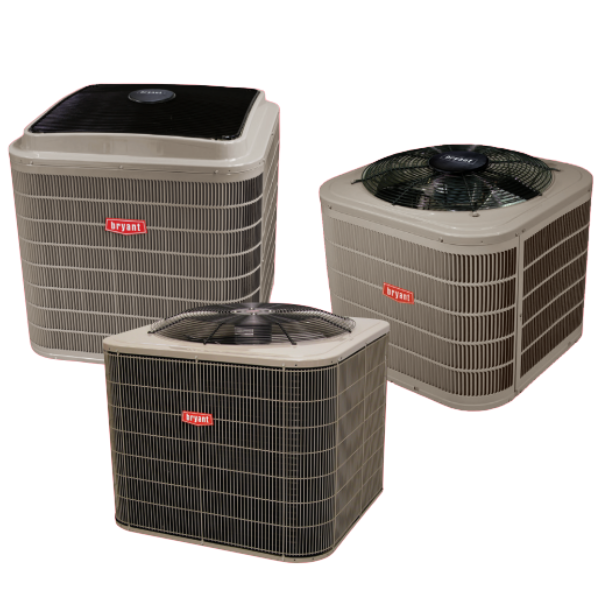
Air conditioner rental programs are often marketed in ways that make them feel simple, affordable, and risk-free. While these offers can sound appealing, they are carefully framed to highlight convenience and minimize focus on long-term cost.
Low Monthly Payment Framing
One of the most common tactics is emphasizing the affordability of the monthly payment rather than the total cost over time.
- Advertisements often highlight phrases like “Only $79/month” to make the cost feel small and manageable.
- The full cost of the system over 10–15 years is rarely presented upfront in marketing materials.
- Breaking the price into monthly amounts can make a more expensive option feel cheaper than it actually is.
This approach shifts attention away from the total investment and toward short-term affordability.
“Free Maintenance” Messaging
Rental programs frequently promote included maintenance as a major added benefit.
- Marketing often emphasizes “free maintenance” to increase perceived value.
- Routine service is presented as a cost savings, even though it is built into the monthly payment.
- Homeowners may feel they are avoiding unexpected service expenses by choosing a rental.
While maintenance is valuable, it is important to recognize that it is not truly free; it is included in the overall cost.
Bundled Convenience Claims
Another common tactic is presenting rentals as a complete, hassle-free solution.
- Offers often use phrases like “everything included” to simplify the decision-making process.
- The idea of “worry-free ownership” is used, even though the homeowner does not actually own the system.
- Bundling installation, service, and repairs can make rentals feel more comprehensive than purchasing.
This messaging appeals to homeowners who want convenience and minimal responsibility.
Urgency and Fear-Based Messaging
Some sales approaches focus on the risks of not acting quickly or not choosing a rental.
- Messaging may highlight the potential for costly breakdowns or emergency repairs.
- Homeowners are encouraged to avoid large, unexpected expenses by choosing a predictable monthly plan.
- Time-sensitive offers or limited-time promotions can create pressure to make a quick decision.
These tactics can make renting feel like the safer option, especially during stressful situations like system failure.
Why These Tactics Work
These strategies are effective because they align with how people naturally make financial decisions.
- Smaller monthly payments feel easier to justify than large upfront costs.
- Bundled services reduce the mental effort required to compare options.
- Fear of unexpected expenses can push homeowners toward what may feel like the safer, more predictable choice.
Understanding these tactics can help you look beyond the marketing and evaluate whether renting truly makes sense for your long-term needs.
4. The True Cost: Renting vs Owning Over Time
At first glance, renting an air conditioner can seem more affordable because of the low monthly payment, but the real difference becomes clear when you compare the total cost over the full lifespan of the system. Looking at long-term numbers side by side helps reveal what homeowners are actually paying.
Side-by-Side Cost Comparison Example
To understand the difference more clearly, here is a simple comparison between purchasing an air conditioner and renting one over time.
Renting vs Owning: Total Cost Comparison
| Option | Monthly Cost | 12-Year Total | Long-Term Outcome |
|---|---|---|---|
| Ownership | $0 after purchase | $6,000 – $8,000 | Lowest long-term cost and full ownership |
| Rental | ~$80/month | $11,520+ | Higher total cost with no ownership |
- A typical air conditioner purchase and installation can cost between $6,000 and $8,000 upfront, depending on the system and home requirements.
- A rental program at approximately $80 per month over 12 years results in a total cost of about $11,520 or more over the full contract term.
- A slightly higher rental rate, such as $110 per month over 12 years, increases the total cost to approximately $15,840 over time.
This comparison shows how quickly monthly payments can add up when extended over many years.
What the Numbers Really Mean
When you break down these examples, a few important financial realities become clear.
- The total amount paid through renting is significantly higher than the actual value of the equipment itself.
- Rental pricing often includes an “interest-like” cost that is built into the monthly payment structure.
- You continue paying long after the system’s original purchase value has been covered many times over.
These factors mean that the convenience of low monthly payments often comes at a much higher long-term cost.
Key Takeaway: Long-Term Cost Difference
Over time, the gap between renting and owning becomes substantial, especially as contracts extend over 10 to 15 years or more.
- In many cases, renting can cost 2 times or more than purchasing the system outright.
- Ownership allows homeowners to stop paying once the system is paid for, while rentals continue for the full contract term.
- The longer the agreement, the greater the total cost difference becomes.
Understanding this long-term impact is essential when deciding between renting and owning an air conditioning system.
5. Contract Length, Buyouts, and Hidden Limitations
While AC rental programs are often presented as flexible and convenient, the reality is that they come with long-term commitments and contractual limitations that many homeowners do not fully consider at the beginning.
Hidden Limitations of Rental Contracts
- Most contracts last 10–15+ years, locking homeowners into long-term payments.
- Early buyouts are often expensive and reduce gradually over time.
- Cancelling a contract early may result in penalties or fees.
- Selling a home can become more complicated due to contract transfer requirements.
Long-Term Commitment
One of the most important factors to understand is just how long these agreements typically last.
- Most air conditioner rental contracts run for 10 years or more, with some extending beyond 15 years.
- You are locked into ongoing monthly payments for the entire duration of the agreement.
- Even if the system is fully paid off in value within a few years, payments continue until the contract ends.
These long timelines make rentals a significant financial commitment rather than a short-term solution.
Buyout Clauses
Many rental agreements include the option to buy out the system, but these clauses are often structured in ways that still favour the rental provider.
- Early buyout costs are typically high, especially in the first several years of the contract.
- Buyout amounts usually decrease over time, but they often remain significant even later in the term.
- Homeowners may find that buying out the contract still costs more than purchasing a system outright in the first place.
Because of this structure, the buyout option is often less practical than it initially appears.
Restrictions and Penalties
Beyond contract length and buyout terms, rental agreements often include additional limitations that can affect flexibility.
- Cancelling a rental agreement early may result in penalties or large termination fees.
- Selling a home can become more complicated, as the rental agreement may need to be transferred to the new owner.
- Some buyers may be hesitant to take over a long-term rental contract, which can impact the home sale process.
These restrictions can limit your ability to make changes or move freely without financial consequences.
Flexibility Compared to Ownership
When compared to owning an air conditioner outright, rental agreements offer far less flexibility.
- Homeowners do not have full control over the equipment while it is under contract.
- Upgrading or replacing the system is often restricted or comes with added costs.
- Ownership allows for complete freedom to repair, replace, or upgrade the system at any time.
This lack of flexibility is one of the most overlooked drawbacks of rental programs, especially for homeowners planning to stay in their home long-term.
6. Flexibility and Control: Renting vs Owning
Beyond cost, one of the most important differences between renting and owning an air conditioner is the level of control you have over your system. This affects everything from service choices to long-term upgrades and overall home comfort decisions.
Renting vs Owning: Flexibility & Control
Renting
- Locked into provider and contract terms.
- Limited ability to upgrade or change systems.
- Ongoing monthly obligation for full term.
Owning
- Freedom to choose any service provider.
- Ability to upgrade system anytime.
- Full control over maintenance decisions.
What Renting Looks Like in Practice
Renting an air conditioner often comes with convenience on the surface, but it also introduces ongoing limitations that affect flexibility.
- Homeowners are typically locked into a single provider and must follow the terms of the rental agreement for the entire contract length.
- Upgrade options are limited, as changes to the system usually require approval or additional costs from the rental company.
- There is an ongoing financial and contractual obligation that continues regardless of changes in personal preference or home needs.
These restrictions mean that renters have less control over how their cooling system is managed over time.
What Owning an Air Conditioner Allows You to Do
Owning your air conditioning system gives you full control over how it is used, maintained, and upgraded, without being tied to a long-term agreement.
- You have the freedom to choose your own service providers for repairs and maintenance.
- System upgrades can be made at any time based on efficiency goals, comfort needs, or budget preferences.
- Maintenance and repair decisions are fully in the hands of the homeowner, allowing for greater flexibility and cost control.
This level of control allows you to make decisions based on what works best for your home rather than a contract.
The Key Difference in Control
When comparing renting and owning side by side, the difference in flexibility becomes clear. Renting prioritizes convenience through structured service, while ownership prioritizes independence and decision-making freedom.
7. When Renting Might Make Sense (Balanced Perspective)

While owning an air conditioner is often the better long-term financial decision, there are certain situations where renting can be a reasonable short-term solution. It’s important to look at these cases fairly so homeowners can make the choice that best fits their current circumstances.
Short-Term Homeownership Plans
Renting may be worth considering if you do not plan to stay in your home for very long.
- Homeowners who expect to move within a few years may not benefit from the long-term savings of ownership.
- A rental agreement can provide immediate comfort without requiring a large upfront investment in a system you may not fully use.
- In some cases, transferring or including the rental in a home sale may be more convenient than purchasing outright.
In these situations, renting can function as a temporary bridge rather than a long-term strategy.
Limited Access to Upfront Funds or Financing
Renting may also make sense for homeowners who cannot comfortably manage the upfront cost of a new system.
- Some homeowners may not qualify for financing or prefer not to take on additional debt.
- Monthly rental payments can feel more manageable than a large one-time expense.
- Renting allows access to a working system immediately without delaying installation due to budget constraints.
For those in this position, renting can provide a practical way to restore home comfort quickly.
Emergency Replacement Without Savings
Another situation where renting may be considered is when an air conditioner fails unexpectedly and there are no savings available for replacement.
- Sudden system breakdowns can create urgent repair or replacement needs during extreme weather.
- Renting may allow for faster installation without waiting to secure financing or funds.
- It can serve as a short-term solution to restore comfort while longer-term financial planning is arranged.
In these cases, renting can help you manage an immediate need.
A Balanced View
While renting can be useful in specific circumstances, it is generally most effective as a short-term solution rather than a long-term financial strategy. Understanding when it fits and when it doesn’t helps you make more informed and cost-effective decisions.
8. Why Owning Your Air Conditioner Usually Wins Long-Term
When you look beyond the monthly payment and focus on the full lifespan of an air conditioning system, ownership consistently provides stronger financial and practical benefits for most homeowners. The advantages become even more clear over time as costs stabilize and control increases.
Lower Total Cost Over the System’s Lifespan
One of the most significant advantages of owning your air conditioner is the overall cost savings over time.
- Homeowners pay once for the system and installation, rather than continuing payments for 10–15 years or more.
- Once the system is paid off, there are no further financing or rental charges attached to it.
- Even with maintenance and occasional repairs, the total cost is typically far lower than long-term rental payments.
This makes ownership the more cost-effective option in most long-term scenarios.
Increased Home Value
Owning your air conditioning system can also contribute positively to your home’s overall value.
- A fully owned, modern HVAC system is considered a valuable home improvement for potential buyers.
- It can make a property more attractive compared to homes with ongoing rental contracts attached to major systems.
- Buyers often prefer homes without additional monthly obligations tied to essential equipment.
This added value can be especially important when it comes time to sell.
No Long-Term Contractual Obligations
Ownership eliminates the need to remain tied to a provider or long-term agreement.
- Homeowners are not locked into fixed monthly payments for extended periods.
- There are no penalties for switching service providers or making system changes.
- You gain full independence from contract terms and rental conditions.
This freedom allows homeowners to make decisions based on their needs, not a contract.
Greater Financial Transparency
Owning an air conditioner also provides a clearer understanding of what you are actually spending.
- The upfront cost is straightforward and not spread across hidden long-term payments.
- Maintenance and repair costs are separate, making it easier to track true operating expenses.
- There are no bundled fees that obscure the real price of the equipment over time.
This transparency helps you make more informed financial decisions.
Better Return on Investment
Over the long term, ownership typically delivers better overall value for the money spent.
- The system continues to provide value long after it has been paid off.
- Energy-efficient upgrades can reduce operating costs without changing monthly obligations.
- Homeowners retain full control over how the system is maintained, upgraded, or replaced.
This combination of savings and control makes ownership a stronger long-term investment for most households.
Final Thoughts from Service 1st Heating & Cooling
When it comes to choosing between renting and owning your air conditioner, the biggest takeaway is simple: low monthly payments don’t automatically mean low long-term cost. While rentals can look attractive upfront, the total amount paid over time often tells a very different story once contracts, fees, and long-term payments are factored in.
Before making a decision, you should focus on the full lifetime cost of the system, not just the monthly price. Looking at the bigger picture can help you avoid paying significantly more than necessary over the years while also ensuring you choose the option that best fits your home and financial goals.
If you’re unsure which option is right for your situation, Service 1st Heating & Cooling is here to help. We can walk you through a clear comparison and answer any questions you have about renting vs owning.
Get a quote to purchase vs rent today, or speak with Service 1st about the best option for your home.
What Our Customers Are Saying...
“From the first phone call to the furnace installation I was treated with respect. Everone took the time to explain the installation and answered all my questions with detailed explanations.
Everyone I dealt with were courteous and personable.
Would definitely recommend this company”